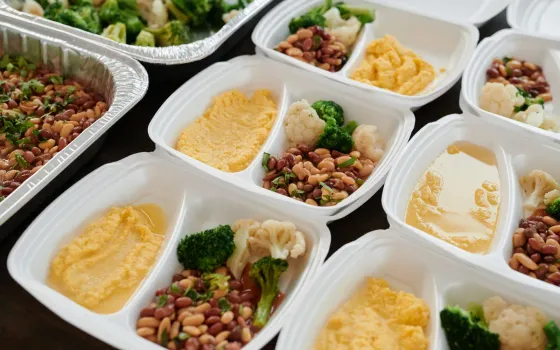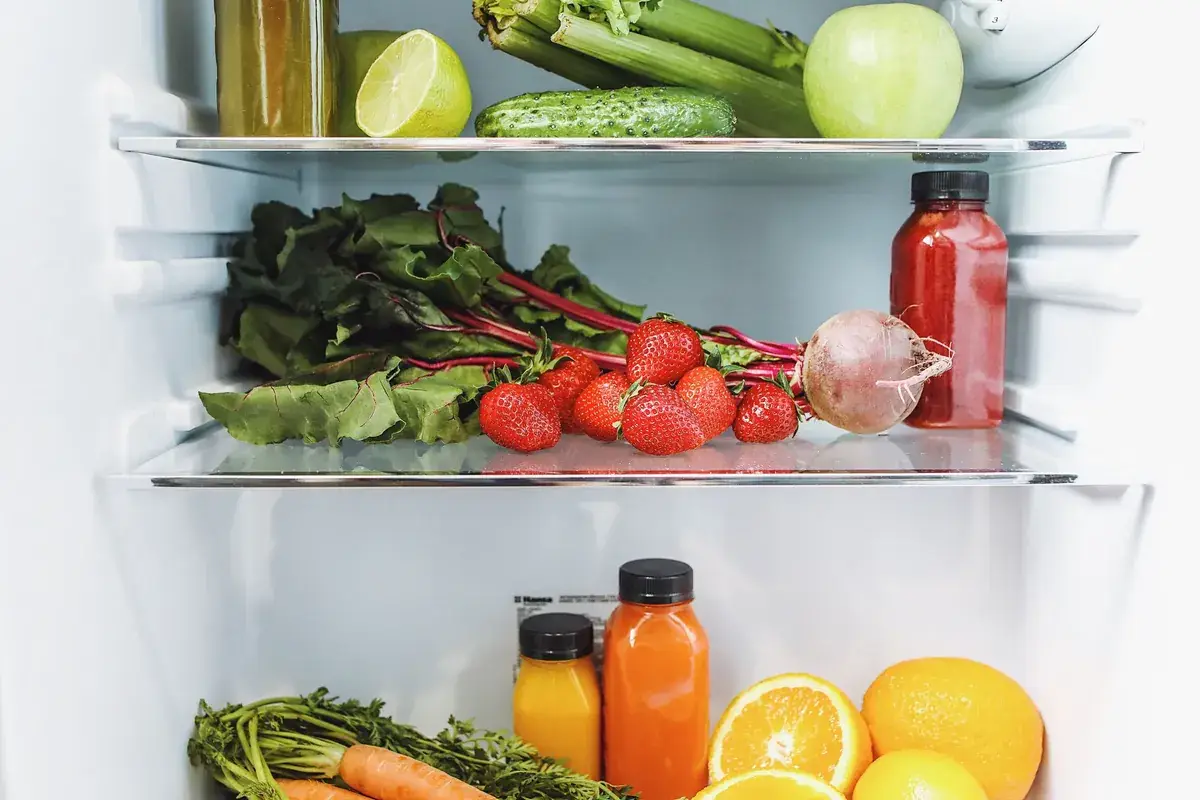
WRAP’s 2024 survey puts 18 to 34 year olds at the top of the UK’s food waste table: the age group most likely to count as high wasters. What goes in the bin first is fresh produce, not store-cupboard stuff: potatoes, bread, broccoli, carrots, usually bought for a plan that changed, or bought with no plan at all.
Who actually wastes the most food
WRAP runs its UK Household Food Management Survey every year, and the 2024 wave is specific about who wastes what. Reported food waste for four key products rose compared with the previous survey: bread 21.3%, milk 19.2%, chicken 19.7% and potatoes 22.6%. Across the UK as a whole, 27% of citizens are classified as “higher food wasters”. Age turns out to be the sharpest divide in the figures: 18-34-year-olds (33%) and 35-44-year-olds (33%) are considerably more likely to land in that group than older age brackets. I did not expect my own age bracket to come out on top when I looked this up, and I went back through the figures twice assuming I had misread a row. It puts this site’s own readers squarely in the group it happens to most, which is less a reason to feel bad and more a reason to actually build the habit instead of just meaning to.
What gets wasted, and why it’s not the tins
A tin of chickpeas doesn’t have a shelf life measured in days, which is exactly why it almost never lands in the bin. WRAP’s survey names what does: fresh produce (potatoes, broccoli, carrots, banana, apples and onions) is generally wasted in higher amounts than other foods (i.e., pork, soft drinks and milk). The same report breaks the individual items down further: potatoes at 22.6% mean waste, bread at 21.3%, broccoli at 21.0%, carrots at 19.9%, bananas at 20.1%, apples at 19.3%, onions at 18.2%, fresh chicken at 19.7%, milk at 19.2%.
Fresh food isn’t more fragile than people assume, it’s just less flexible. A bag of carrots has no built-in reminder the way a use-by date glaring out from a yoghurt pot does, and fresh produce tends to get bought with one specific dish already in mind. Once the week’s plans change, there is nothing else that ingredient is “for”. A tin of chickpeas slots into whatever gets cooked next, regardless of the original plan. Half a head of broccoli bought for one specific Tuesday recipe has nowhere else to go once Tuesday’s plan falls through, so it sits in the drawer until it has to be binned.
WRAP’s survey also breaks down who else tends to waste more, beyond age, and most of it points toward exactly the situation of a first flat. People who say they are under time pressure are more likely to be high wasters, and the group WRAP calls high in “displaced meals”, meaning meals that were planned but didn’t happen because something came up, reaches 51%, against 27% across the whole UK population. I don’t read that as a character flaw. It’s what happens when the week doesn’t go the way the shopping list assumed it would, and going by the figures, that’s most weeks.
Why matching backwards actually works
The usual way round is to decide what to cook first, then check whether the ingredients are there. That only works when the kitchen is fully stocked to match a plan, which is rarely true more than a few days after the shop. Working backwards, starting from whatever is actually sitting in the fridge and cupboard and asking what it can become, sidesteps the whole problem: no ingredient gets left stranded with “nowhere else to go”, because the dish gets chosen around it rather than the other way round. That’s a small change in order with a large effect: an ingredient ends up with a use instead of without one.
The principle: match the recipe to the fridge, not the other way round
The fix is the same one behind planning meals for one around what’s already in the fridge: decide what to cook from what is already there, instead of shopping for a recipe and hoping everything gets used. That’s easy to say and much slower to actually do, because it means mentally cross-referencing half a bag of carrots, a few mushrooms and the end of a block of cheese against everything you might plausibly cook, and most recipe sites just aren’t built for that. They assume a full trolley, not three odd ingredients and a question.
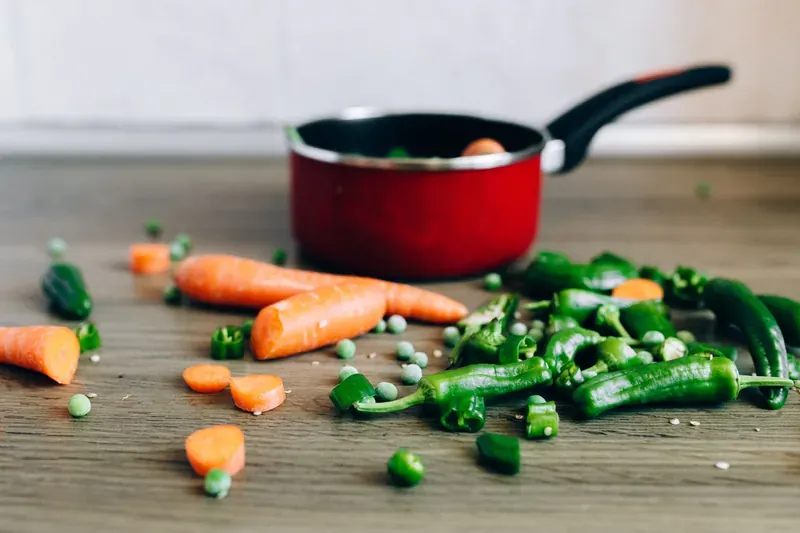 Photo: Nataliya Vaitkevich via Pexels
Using the tool
The pantry-raid tool does that cross-referencing in a few seconds instead of a few minutes of scrolling. Tick what’s actually in the fridge and cupboard right now, fresh produce included, not just the store-cupboard basics a stocked pantry already covers, and it returns the dishes that are genuinely makeable with what you ticked, rather than a recipe that’s “almost” doable if you nip out for two more things. The ingredient list leans on the items WRAP’s data says go to waste most: potatoes, carrots, broccoli and onions all get several matches each, because that’s specifically the produce this is built for.
What it won’t do
It will not plan a week for you, and it will not account for what’s a day from going off versus what has a week left; it only matches what’s ticked against what a dish needs, treating every ticked ingredient as equally available right now. It also has no idea about quantities. Ticking “mushrooms” covers both a single stray mushroom and half a punnet, so working out how much to use is still a judgement call once a dish comes up as a match. I would not trust it to replace a proper look in the fridge, only to point at what’s worth looking for before the look happens. For the planning-ahead version of all this, checking the fridge before the shop rather than after, meal planning for one without waste covers that properly, and the rest of what keeps a kitchen running without waste is in the meal planning section.