Yes, reheated rice is safe to eat, provided you cooled it quickly, kept it in the fridge for no more than a day, and reheat it once until it is steaming hot right through. The Food Standards Agency puts the limit plainly: rice can be reheated, “but you should never reheat rice more than once”. Miss any one of those three steps and the other two cannot make up for it, which makes this stricter than most kitchen advice.
Why rice is different from most other leftovers
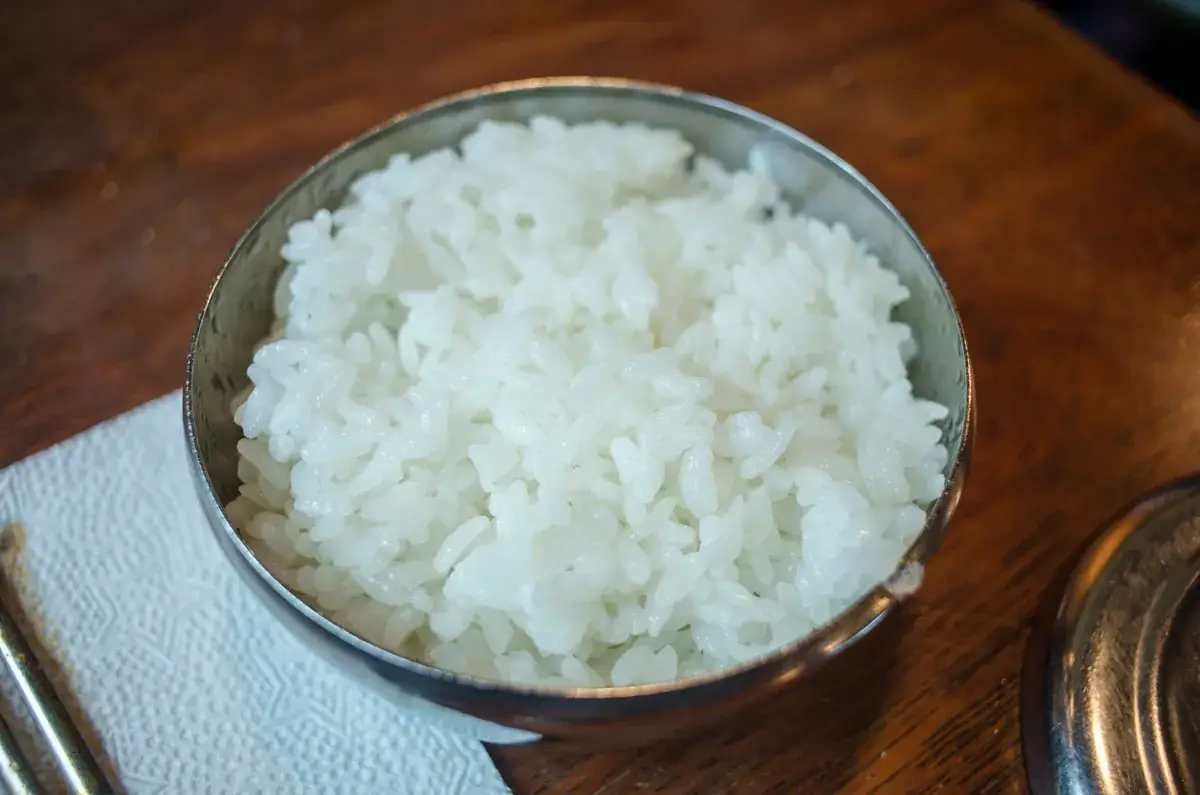
With most food, the bacteria that cause poisoning turn up after cooking. They come from hands, from worktops, or from a plate left out too long, and heating the food again usually sorts them out. Rice brings its problem into the pan with it. The FSA says “uncooked rice can contain spores of a bacterium called Bacillus cereus”, and the part I would underline is that “the spores of Bacillus cereus can survive being cooked”. Boiling the rice properly does nothing to those spores. They just sit there, dormant, in food you would otherwise call ready to eat.
Leave the rice out at room temperature and the spores can become active bacteria, which go on to produce a toxin. The FSA’s wording explains why reheating cannot rescue rice that has already turned: “the longer cooked rice is left at room temperature, the more likely it is that the bacteria or toxins will make the rice unsafe to eat”. Heat does not destroy that toxin once it is there. So whether a portion is safe gets decided in the couple of hours after it leaves the hob, well before anyone thinks about reheating. I had assumed the risky part was the eating. It is actually the cooling, which I did not expect.
Chilling it fast: the one-hour rule
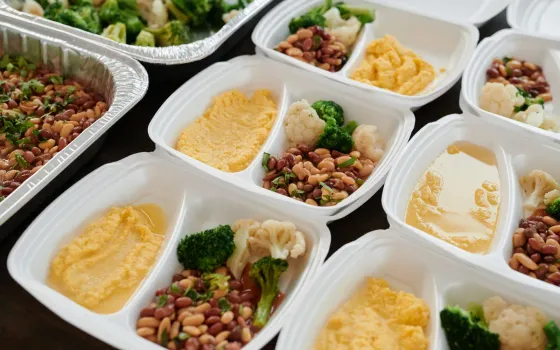
The line in the FSA’s guidance I would pay most attention to is about speed, and it gives no temperature at all: “if you have leftover rice you should chill it as quickly as possible, ideally within one hour”. Portion size is the thing you can control most. A big pan of rice kept in one dish holds its heat far longer than the same amount split across two or three shallow containers, and the guidance agrees: “dividing it into smaller portions can help with this”. Anyone batch-cooking rice for the week is in exactly this position, and it pairs with the general rule on what freezes well and what does not in the batch cooking piece.
One instruction sounds so obvious that it is easy to skim past: do not let the rice cool in whatever you cooked it in. The FSA says not to “leave rice in the rice cooker, steamer or pan to cool down”. A full pan stays hot much longer than a shallow dish spread out on the worktop, and that slow cool-down is exactly the window Bacillus cereus needs.
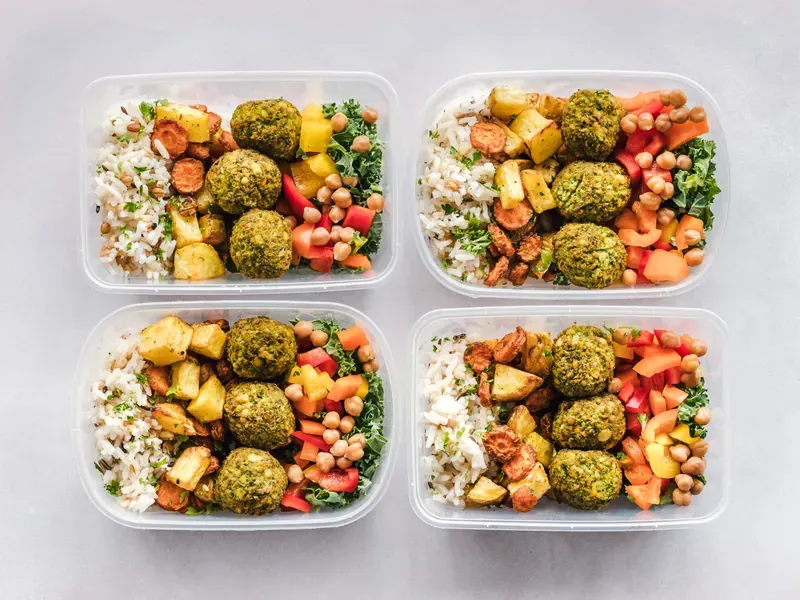 Photo: Ella Olsson via Pexels
The fridge, and the one-day limit
Once cooled, rice only gets a short stay in the fridge. The guidance repeats the limit more than once: “keep rice in the fridge for no more than one day until reheating”. It also says rice “may be eaten cold if it is cooled down quickly”, again with the instruction to “put the rice in the fridge and consume within 24 hours”, hot or cold. Most cooked leftovers get longer than that. The reason is not that rice goes off in any way you would notice. Rice can look, smell and taste normal and still hold enough toxin to make you ill, so go by the clock rather than by whether it seems fine.
A day really is a day. It does not cover “the rice from Sunday’s batch cook, eaten on Wednesday because it still looked fine”. If a portion will not be eaten within 24 hours of cooking, it belongs in the freezer, not the fridge, which the last section covers.
Reheating it properly, and why only once
For the reheat, the FSA gives a single standard: “when you reheat any rice always check the dish is steaming hot all the way through”. Warm on the outside and cold in the middle fails, and that is often what a dense portion gets from a quick blast in the microwave. Whatever you heat it with, stir it partway through so the centre catches up with the edges.
The once-only rule is separate from the steaming-hot rule, and both apply. Reheating kills bacteria that have grown since the rice was cooked, but it does nothing to toxin that has already formed, and every extra round of cooling and reheating gives more toxin a chance to build up in whatever is left. Warming two portions twice each is worse than dividing the same rice and reheating each portion once, so the smaller portions from the cooling stage earn their keep a second time here. The same “does the food actually stay safe, or does it just look fine” question comes up with eggs past their date. The reason is different there, but the point carries over: some risks you simply cannot see.
Freezing instead, if a portion will not be used within a day
Freezing gets round the one-day limit without bending it, and the speed rule still holds: “by making sure rice goes in the freezer within an hour of cooking, you will stop bacteria multiplying and producing a toxin”. Portion it and freeze it inside that hour, and rice keeps well and can go from frozen straight into a hot pan or the microwave. After that, the normal rules apply: reheat it once, and make sure it is steaming throughout, the same as a portion from the fridge. I would rank it among the more reliable things to have stacked in the freezer for an evening when cooking from scratch is not going to happen, alongside the other staples in the pantry list for weeknight cooking and the wider meal planning section.