Stews, chilli, ragu, soups, cooked pulses, bread and grated cheese all freeze well and come back much as they went in. Raw salad, cream, chunks of boiled potato and anything crisp and fried do not. The rest of batch cooking is about timing, and the timings turned out stricter than I expected: cooked food goes into the fridge within one to two hours, rice within one, and anything you freeze gets reheated once only, until it is steaming hot.
Freezes well
What survives an ordinary fridge-freezer is usually wet, cooked through and able to take more stirring than it strictly needs. This is a sensible batch list, and every item on it can be made in one big pan on a normal electric hob:
- Chilli and ragu. Nothing on this list suits the freezer better than a mince-based sauce. It freezes flat in a bag, and it reheats from frozen in a pan with a splash of water.
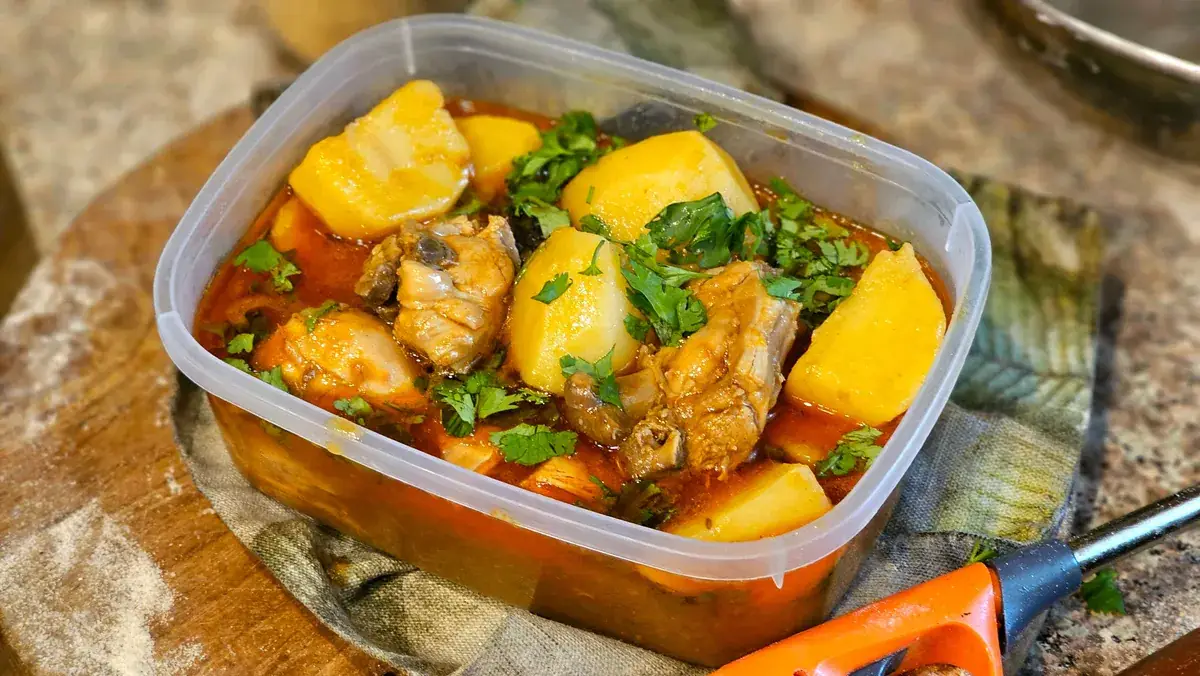
- Stews and curries with a tomato or stock base. Chicken thigh, lentil, chickpea, bean. A coconut-milk curry can look split after thawing, but it pulls back together once you stir it over the heat.
- Soups, provided they are either blended or kept chunky with vegetables that can take it. Blended smooth, leek and potato is fine. It is only the potato chunks that suffer.
- Cooked pulses. Do a whole bag of dried chickpeas or lentils at once, freeze them in tub-sized portions, and you can stop buying tins.
- Bread, sliced and frozen in its own bag. It toasts straight from frozen.
- Grated cheese. It goes crumbly, which nobody will notice on a pizza or in a sauce.
- Cooked rice, but only if you follow the rules further down exactly. Near enough is not good enough with rice.
Flat bags beat tubs for most of these. A bag pressed flat takes a fraction of the drawer space and defrosts on a plate in the fridge in a few hours; a solid block in a tub needs a day. In a shared house, where the usual arrangement is one freezer drawer each, flat bags are what make a week of dinners fit. The empty tubs still have to live somewhere, which needs some thought in a kitchen with no spare cupboard, and I go into that in organising a small kitchen without buying anything.
Freezes badly
- Anything with raw salad or cucumber in it. The water inside the cells expands as it freezes and bursts the cell walls, so the salad thaws into a puddle.
- Cream-based sauces and anything thickened with a lot of dairy. They split and turn grainy on thawing. Freeze the base by itself and add the cream when you reheat.
- Boiled potato chunks. These go mealy and watery. Mash freezes well enough; whole boiled potatoes do not.
- Fried textures. Breaded chicken, crispy onions, roast potatoes, anything that is supposed to be crisp: it will all come back soft.
- Pasta cooked into a sauce. It overcooks when you reheat it. Freeze the sauce on its own and boil fresh pasta, which is ten minutes.
- Egg-based dishes like quiche and frittata. Edible, but rubbery. I would keep these in the fridge instead and eat them cold within a couple of days.
None of this is dangerous to freeze. It is just disappointing, and the disappointing meal is the one that sits in the drawer until it gets freezer burn and goes in the bin, which wastes all the effort of cooking it.
Cooling: the one-to-two-hour window in a warm flat
The FSA’s advice is to let cooked food cool at room temperature and put it in the fridge within one to two hours. The same page says to divide it into smaller portions so it cools faster. A big pan of chilli left on the hob with the lid on will still be warm in the middle hours later, so the pan does far more to slow things down than the room does.
In a small flat without a cold larder, these help:
- Spread the food out. A roasting tin, or a pair of shallow trays, cools it much faster than a deep pan.
- Portion it while it is still hot, straight into the bags or tubs it will be frozen in. Small amounts cool quickly.
- Stand the tubs in a sink of cold water for the first twenty minutes, changing the water once. The FSA uses the same cold-water method in its own rice advice, so this is the official route and not a kitchen trick.
- Leave the lids off until the steam stops. Then lid everything and move it to the fridge.
The awkward one is a batch cooked on a warm evening. If the kitchen is hot, portion straight into bags and lay them flat on a tray in the sink of cold water; they will get down to fridge temperature well inside the window.
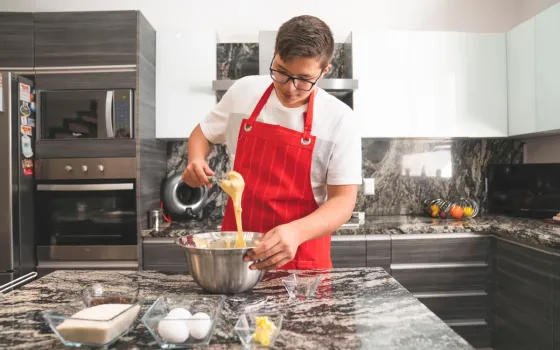
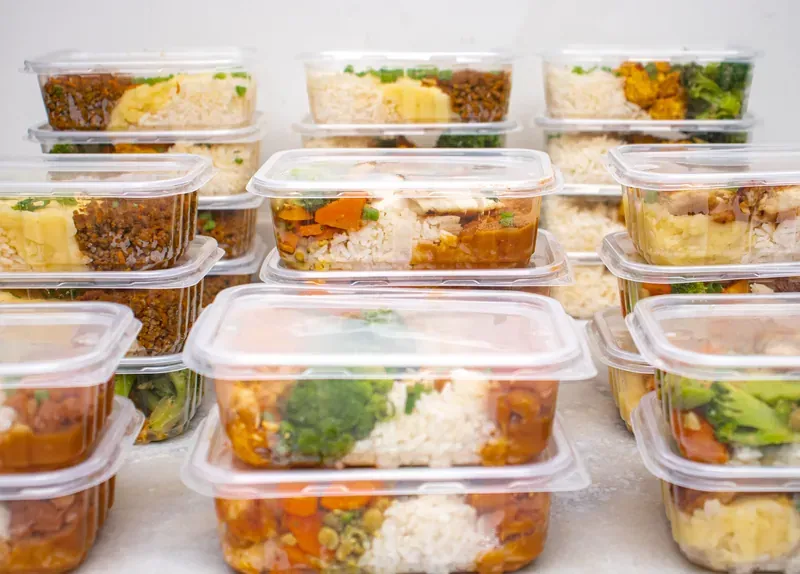 Photo: IARA MELO via Pexels
Rice, specifically
Rice has its own rules, and I didn’t know why until I looked it up, in more detail than fits here, in is it safe to reheat rice? Uncooked rice can carry spores that survive cooking, and they multiply if the cooked rice is left sitting warm. The FSA’s home food fact checker says leftover rice should be chilled as quickly as possible, ideally within one hour. Freezing it is fine as long as it has been cooled fast first. Defrost it in the fridge, reheat it until it is steaming hot, and never reheat it more than once.
The NHS gives “steaming hot” an actual number. Reheated rice, it says, should reach a core temperature of 70C for 2 minutes, or equivalent, so the heat gets right through, and it repeats that rice should not be reheated more than once.
What that means in practice: take the rice off the hob, spread it on a cold plate or tray, and have it bagged and in the fridge within the hour. If it is going to be frozen, put it in flat once it is fridge-cold. Move it back to the fridge the night before you want it. Then reheat it in a pan with a splash of water and the lid on, stirring until every part of it is visibly steaming. Whatever is left over goes in the bin, not back in the fridge.
Labelling and the two-to-three-month meat window
Write the contents and the date on every bag in marker before it goes in. Do it first, because ink barely sticks to frozen plastic, and one unlabelled bag looks exactly like another.
According to the FSA, a freezer should run at around -18°C. It says meats are usually best eaten within 2-3 months, and that food can be frozen again once it has been cooked, although it can then only be reheated once. The two-to-three-month figure is about quality, not safety, but I think it works well as a ceiling: any meat dish older than that should be on this week’s menu. Newest bags at the back of the drawer, oldest at the front, and the front becomes a standing “eat me” pile.
Batch cooks feel the one-reheat rule more than anyone. Cook a chilli on Sunday, freeze it, then defrost and reheat it on Thursday, and that chilli is finished. It does not get reheated again on Friday. So portions have to match what you actually eat in one sitting. For one person that is less than the tub implies; for two people living together it is normally a whole tub. Freeze the portion you will eat, not whatever the container happens to hold. It is the same thinking as planning meals for one without waste: freeze everything as single portions and there is never half a tub stuck in limbo.
Reheating from frozen versus defrosting in the fridge overnight
Either route back is fine, provided the food ends up steaming hot all the way through.
Defrosting in the fridge overnight is the default. It is the method the FSA guidance describes, it is kinder to the texture, and it keeps the reheating short. The drawback is that it needs planning. The bag has to come out the night before, and the FSA says to use food within 24 hours of it fully defrosting, so it cannot sit in the fridge for a couple of days while you wait to be in the mood for chilli.
Reheating from frozen works for flat bags of chilli, ragu and soup. Break the frozen slab into a pan with a little water, lid on, low heat, stirring as it loosens. It takes ten to fifteen minutes and there is no overnight step to forget, which to me is the best argument for flat bags. Deep tubs are bad at this, because the outside heats while the middle stays frozen solid. Rice does not go this way either; defrost it in the fridge as described above.
Whichever route you use, heat the food until it bubbles and keep it bubbling for a couple of minutes, rather than stopping when it is warm enough to eat. The rest of the meal planning section covers the shopping and planning that fill the freezer in the first place.