Plug-in solar kits became legal in Great Britain two days ago, on 27 August 2026. That doesn’t mean you can unbox one and have it running by the afternoon. A network operator has to be notified first, and if you rent, your landlord has to be asked before even that. I went through what the rules require, and I have left out a savings figure on purpose: none of the sources I could check has published a verified one yet.
What a plug-in kit actually is
A kit is one or more panels wired to a small inverter, and the inverter plugs into an ordinary wall socket, much like a lamp does. As sold, there is no battery, no roof work, and no need for anyone to wire it into the consumer unit. When the sun is out, it feeds a small amount of electricity into whichever circuit that socket is on. Nothing gets stored, and it can’t power the whole flat.
The law that made these kits legal also puts a limit on them. It defines a “plug-in microgenerator” as a source that “generates electricity from the direct conversion of sunlight into electricity” and “has a maximum rated alternating current output not exceeding 800 watts” (legislation.gov.uk). So the 800-watt ceiling is written into the regulations: one socket, one small system. Rooftop solar is handled under separate arrangements, and I don’t cover it here.
It was illegal until two days ago
Online shops have been advertising these kits for some time, and selling you the panel was legal. Plugging it into a standard UK socket was not, because that broke the older plug and socket safety rules. What changed it is a statutory instrument with an absurdly long name: the Plugs and Sockets etc. (Safety) Regulations 1994 and Electricity Safety, Quality and Continuity Regulations 2002 (Amendment) Regulations 2026. It says that “these Regulations come into force on 27th August 2026” (legislation.gov.uk), which is this week. Any advert you saw before that date was running ahead of the law.
The paperwork: G98 and your network operator
Owning a kit is fine now. Plugging it in quietly is not. The government’s response to its plug-in solar consultation says consumer guidance will tell buyers “that they should notify their DNO via the G98 notification process”. The DNO is your local electricity distribution network operator, which is a different company from the energy supplier that sends your bills (DESNZ, Government Response, July 2026). The same document confirms that until Engineering Recommendation G98 itself is amended, “the current requirement in G98 limiting installations to one device per household will continue to apply.” That means one kit per household, and the DNO has to be told about it. Buying three to triple the output is off the table.
 Photo: Mikhail Nilov via Pexels
Renting: the landlord’s consent comes first
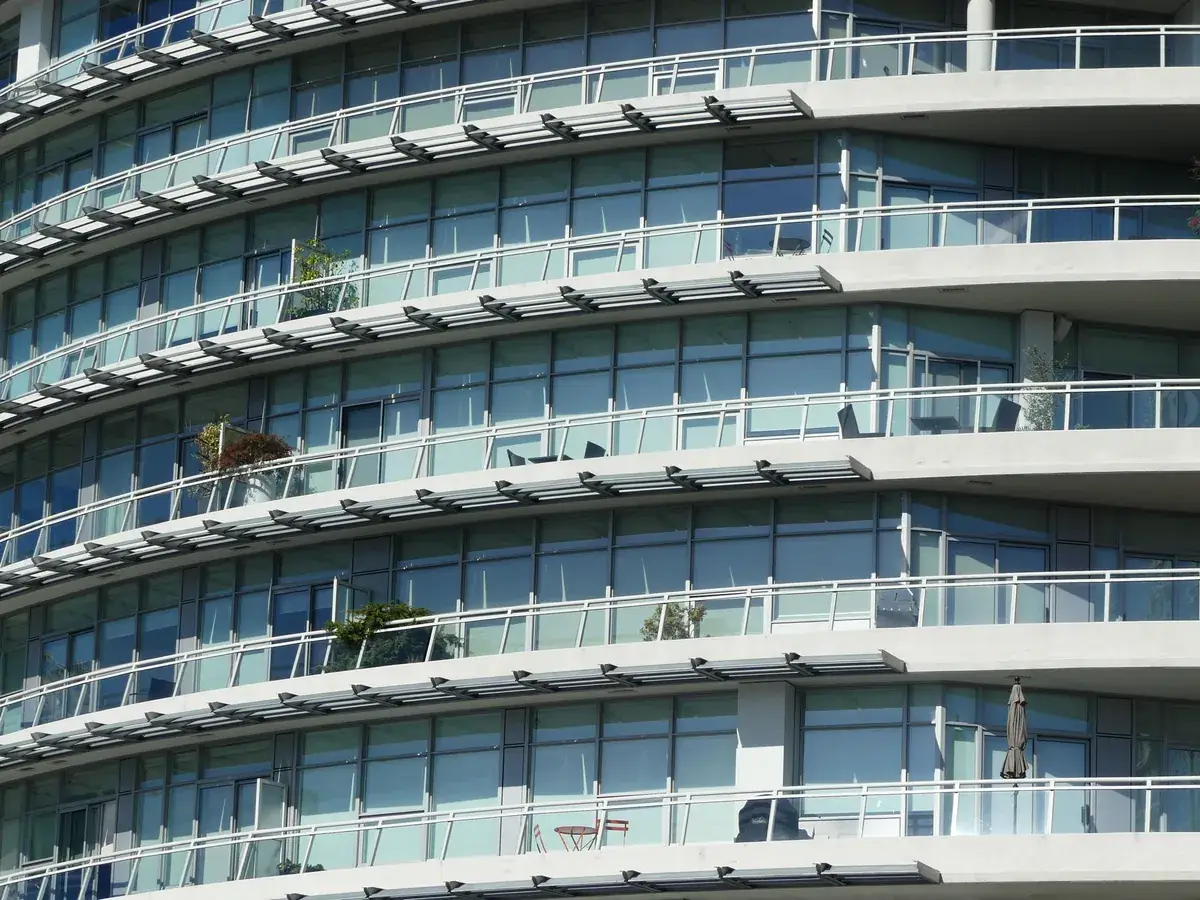
If you rent, there is an extra step, and it comes before the DNO. The government response says consumer guidance will tell people “that renters and leaseholders should seek landlord/freeholder consent prior to installation” (DESNZ, Government Response, July 2026). Prior to installation is the key part. Asking once it is already up doesn’t count, no matter how small the balcony or how temporary the fixing looks. So if you rent a place with a balcony or a length of railing you had earmarked for a panel, the first message goes to your landlord. The DNO notification comes next, and buying the kit comes a long way after both.
What Electrical Safety First is still cautious about
Legal and permitted is not the same as risk-free, and Electrical Safety First sounds far more careful than the companies selling these things. It recommends that “households have their electrical installation assessed by a competent electrician registered with a competent persons scheme before purchasing or using a plug-in solar system” (Electrical Safety First). It also warns that homes “with Type AC RCDs should not use plug-in solar systems without first upgrading” to a bidirectional Type A RCD. I didn’t know the type of RCD made any difference until I read that. In practice it means checking what is in your consumer unit before assuming any socket in the flat will be fine. The charity is just as precise about how the kit connects: these systems “should not be connected via extension leads, cable reels, multiway adaptors, travel adapters or plug-in RCD adaptors.” That kills the obvious workaround of trailing a long cable in from the balcony to the nearest indoor socket. You need a socket close to the panel, not a lead snaking through from another room.
What you actually get for the money, and why I am not giving you a number
I looked for a verified output, saving or payback figure from a UK source I could check, and found nothing. The regulations cap these kits at 800 watts maximum rated AC output, but that is a ceiling, and on a normal day you would get less. Actual output depends on which direction the balcony faces and how many hours of direct sun it gets. It also depends on how much electricity you are using at the moment the panel is generating, because whatever you don’t use goes out to the grid and you get nothing for it. None of the sources above say anything about Smart Export Guarantee eligibility or MCS certification for these kits, so I am not claiming either applies. If a seller gives you a pounds-a-year figure before asking which way your balcony faces, that is a marketing number. I would treat it the way I treat any saving quoted for a product I have never seen fitted anywhere.
Whether I would bother in a small rented flat
The legal position is settled. The paperwork is short, and it isn’t optional. If you rent and have a balcony or a bit of railing, the order is: get your landlord’s consent in writing, send the DNO notification under G98, then find out whether your consumer unit has the right kind of RCD. All three happen before you spend a penny on the kit. Whether the electricity it produces will cover its cost, I can’t say, because I found no checkable source that has published that. My own judgement is to wait for an independent test of one of these kits rather than buying off the back of a seller’s product page. It also has to beat everything else fighting for a tight budget, which the piece on running a flat on a first salary goes into, before it deserves a spot near the top of the list.
There is one practical clash worth flagging as well. The railing or balcony ledge where a panel would go is the same space the piece on balcony container gardening has already spoken for, so part of the decision is what you would stop using that space for. It is one more of the small-spaces problems that come with a flat too small to spread out in, where anything fixed to a wall or a railing has to earn its place.